
The UI Short Summer Course on Southeast Asian Political Psychology is a two-week intensive program that explores the development and application of political psychology in Southeast Asia, with a particular focus on Indonesia.
Hosted by Universitas Indonesia in Jakarta, the capital of Indonesia, the two-week curriculum includes key political psychology theories and their application to regional issues such as vote buying, political patronage, religion in politics, and radical extremism.
The course will take place from June 8–18, 2026, with daily sessions from 09:00 to 16:00 at Universitas Indonesia. Breakfast, lunch, and light refreshments are provided each day. The program also includes two industrial visits that allow participants to engage with practitioners outside the classroom.
Program
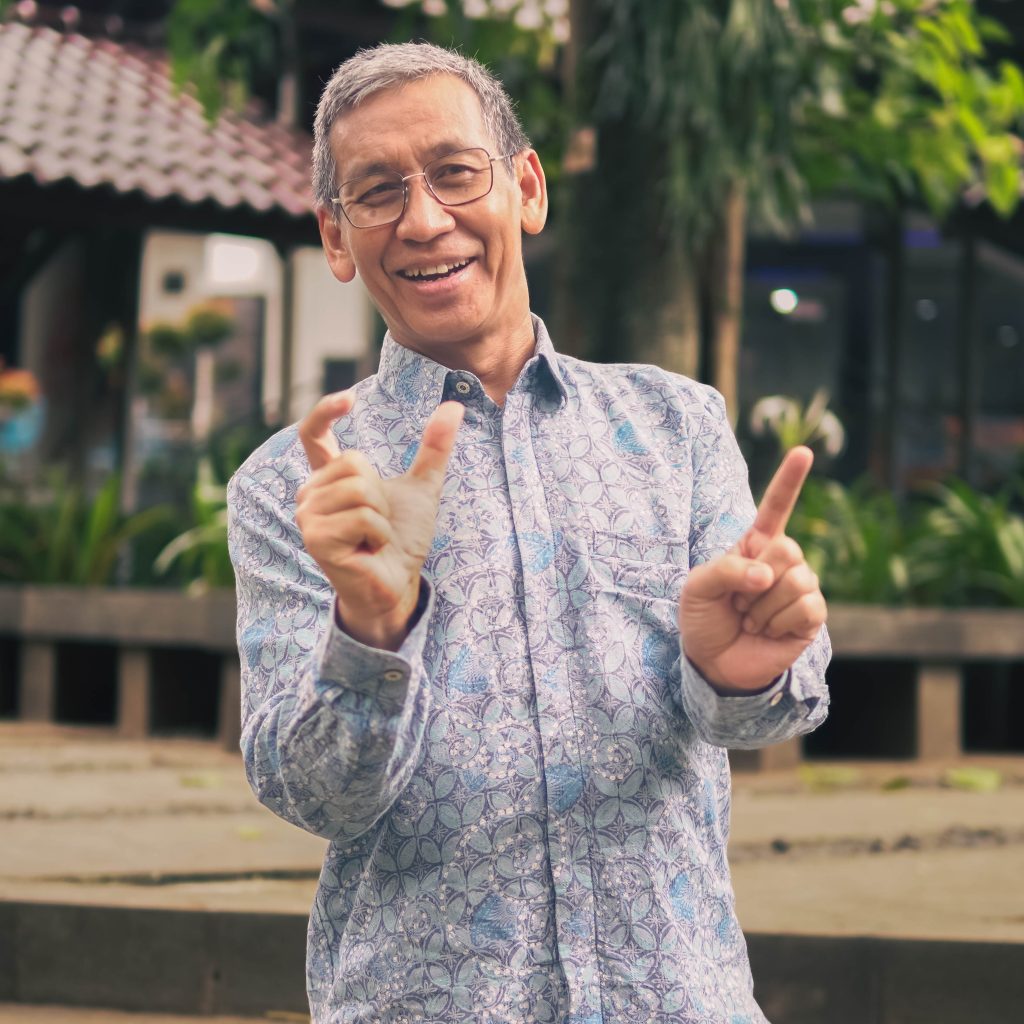
Measuring Political Ideology
Hamdi Muluk
Political ideology is treated as a key variable in understanding politics, but how do we actually measure it? Do concepts like “left” and “right” even apply in Southeast Asia, or do they take on entirely different meanings? Hamdi will explore the challenges of defining and measuring political ideology in a region where political identities don’t always fit conventional frameworks.
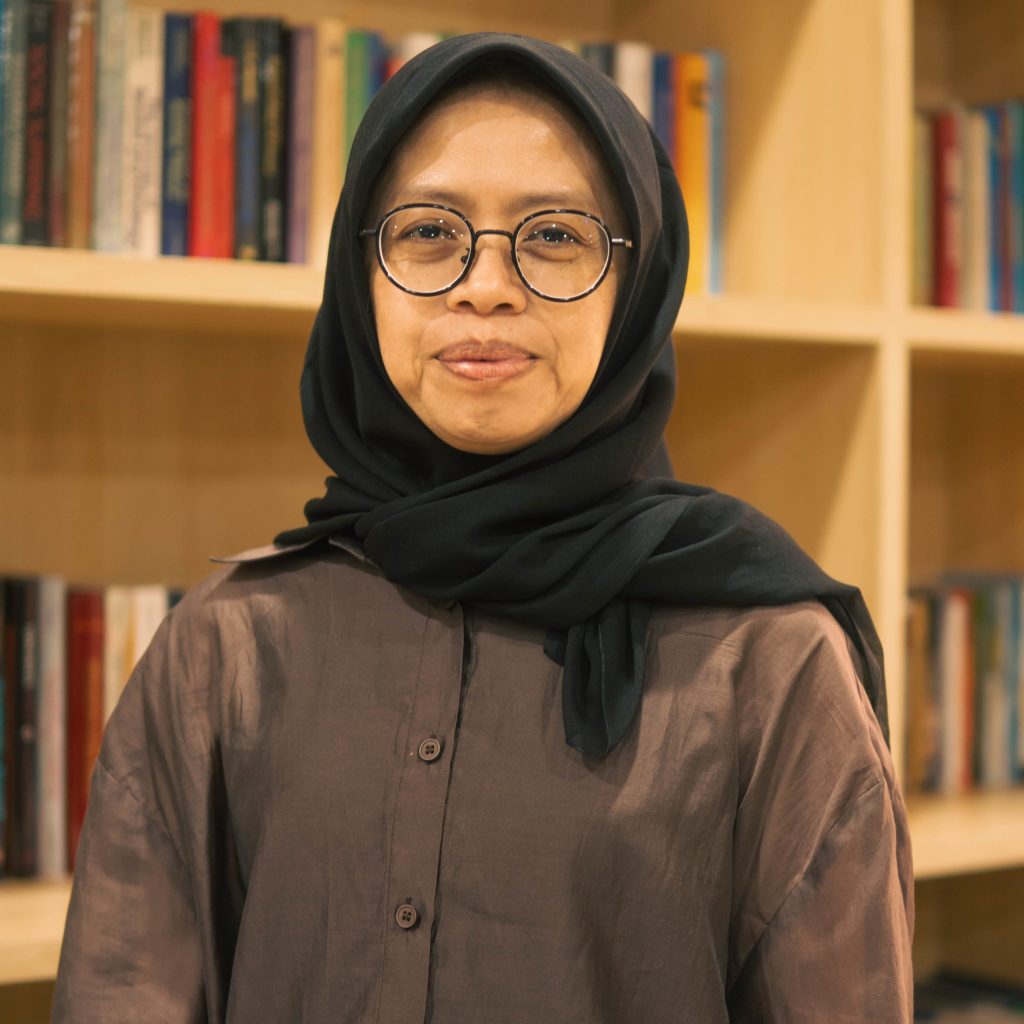
Religious and Violent Extremism
Mirra Noor Milla
Southeast Asia and Indonesia have faced many cases of violent extremism, including suicide bombings. What drives someone to commit such acts, and how can intervention help prevent them? Mirra will share her experience in applying political psychology in deradicalization and counter-terrorism prevention.

Voting Behavior and Political Patronage
Rizka Halida
Elections take place across Southeast Asia’s diverse political systems, but how do voters actually make their choices? In contexts where patronage networks and local ties are influential, what drives voting behavior? Rizka will discuss how citizens navigate political options and what this reveals about democracy in the region.
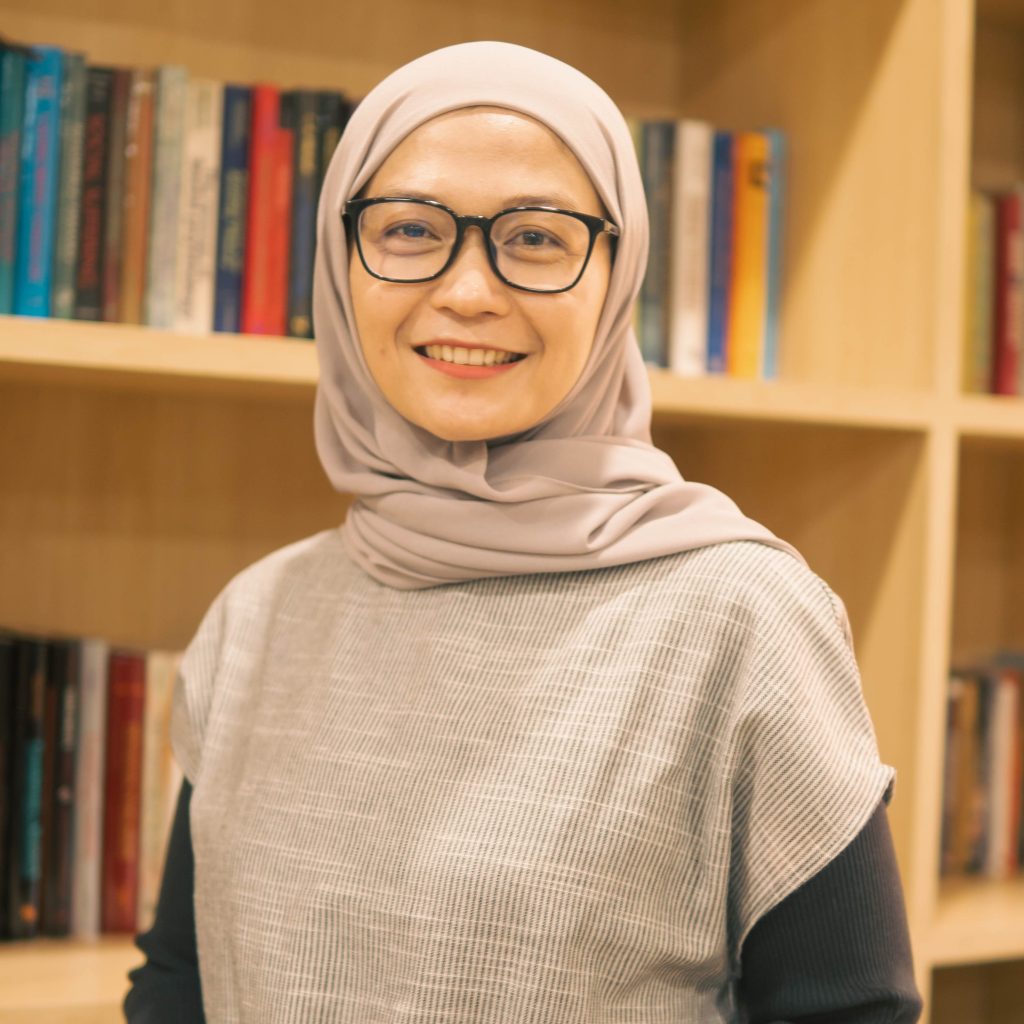
Ideological and Affective Radicalization
Whinda Yustisia
Political divisions are also about emotions and identity. How deep are ideological divides in Southeast Asia, and are they becoming more personal and affective? Whinda will examine how polarization shapes relationships, perceptions, and political life beyond simple policy disagreements.
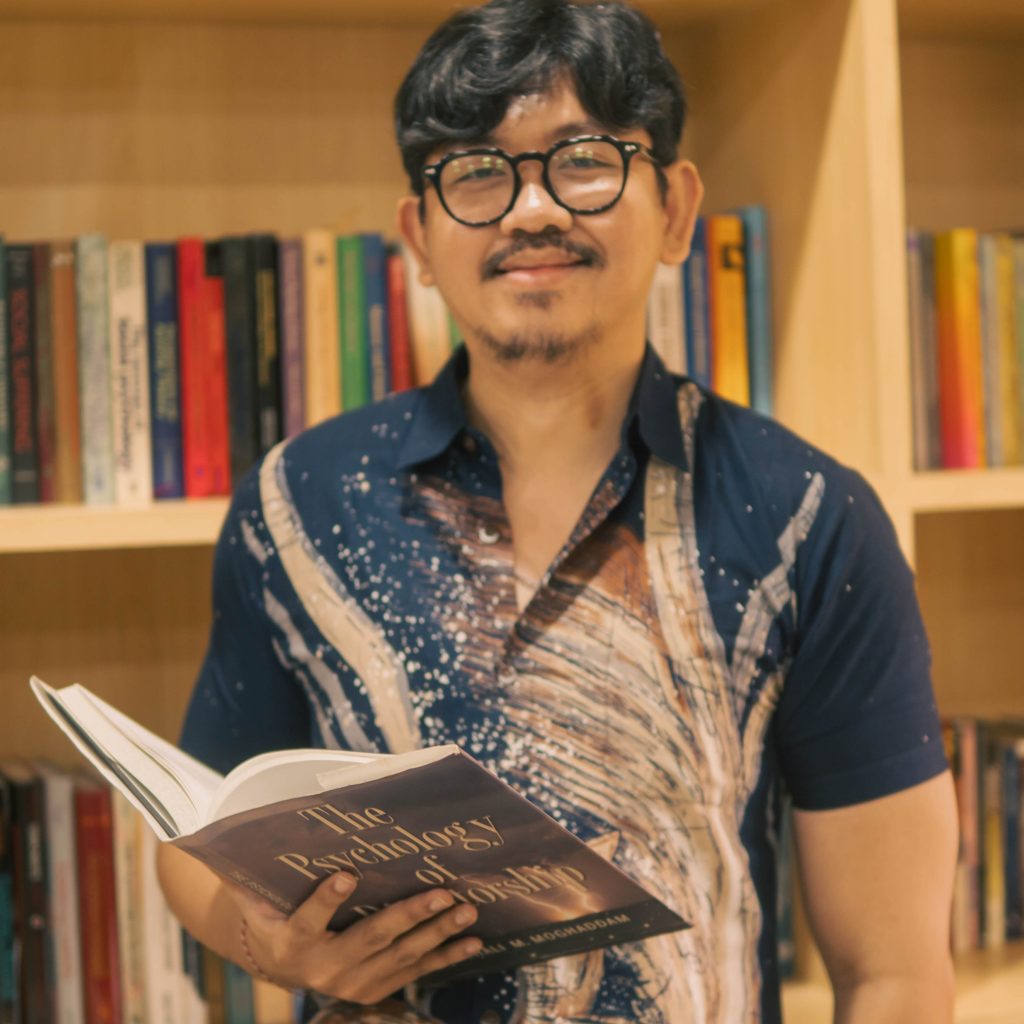
The Politics of Science and Anti-Intellectualism
Joevarian Hudiyana
What role does science play in political life, especially in societies where religion and tradition remain deeply influential? How do skepticism and anti-intellectual attitudes emerge, and what are their consequences? Joe will explore the relationship between science, belief, and politics in Southeast Asia, and what it means for public discourse and policy.
Institutional Visit
Program includes visitations to two institutions, providing participants with a deeper understanding of how Indonesia’s cultural heritage and policy landscape shape its society today. How do historical narratives and cultural artifacts influence national identity, and how are these perspectives translated into real-world decision-making? Through visits to Museum Indonesia and the Centre for Strategic and International Studies (CSIS), participants will explore the country’s rich traditions while also engaging with contemporary policy research, gaining insight into how cultural foundations and evidence-based analysis inform Indonesia’s social and political development.
Application
Please submit the application through this link (Google Form). The participation fee is 575AUD including the 13-night accommodations, lunch during sessions, excursion, airport transports. Online participation is also available with the fee of AUD295.
Early bird rate: A reduced fee of AUD485 is available for applications submitted by March 31, 2026. To qualify for early bird rate, the payment must be conducted within 7 days of acceptance.
Application deadline: The regular application deadline is April 13, 2026. Late applications may be considered if space allows. If in-person spots are full, applicants may be offered an online option. Early applications improve your chances of acceptance.
Payment details will be shared upon acceptance into the course.